Understanding and Utilizing the Manipulation Icon in Design
The
What is the Manipulation Icon?
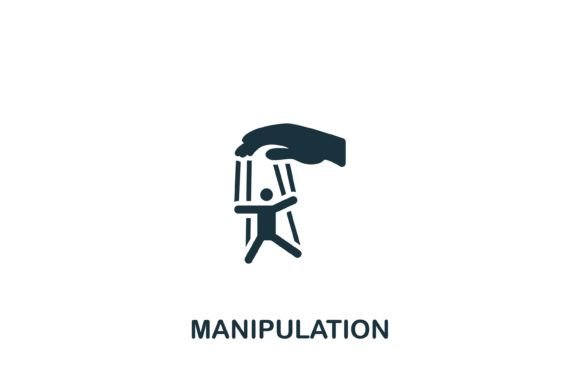
The Manipulation Icon is a graphic symbol that represents manipulation or control. It typically features clean, minimalistic lines, which can be easily customized to fit different design contexts. Whether you are creating a user interface, a presentation, or a marketing brochure, this icon can add a professional and modern touch to your project.
Challenges and Needs in Modern Design
In today's fast-paced digital world, designers face several challenges, including the need for quick and effective communication, maintaining visual consistency, and ensuring that designs are accessible and user-friendly. The Manipulation Icon addresses these needs by providing a clear, recognizable symbol that can be adapted to various design styles and purposes.
- Quick Communication: The simplicity of the Manipulation Icon allows for immediate recognition and understanding, making it ideal for interfaces where quick decision-making is crucial.
- Visual Consistency: With its clean lines and adaptable design, the icon can be seamlessly integrated into any design system, ensuring a cohesive look across all materials.
- User-Friendly: The icon's intuitive design makes it easy for users to understand and interact with, enhancing the overall user experience.
How the Manipulation Icon Can Help
The Manipulation Icon offers several benefits that can help address the challenges faced by designers:
- Enhanced User Experience: By using the Manipulation Icon, designers can create more intuitive and engaging user interfaces, leading to a better user experience.
- Brand Consistency: The icon's adaptability ensures that it can be tailored to match any brand's style guide, maintaining a consistent and professional appearance.
- Time Efficiency: The availability of the icon in multiple file formats (EPS, JPG, AI, SVG) allows for quick and easy integration into projects, saving valuable time.
Practical Applications and Outcomes
The Manipulation Icon can be used in a variety of practical applications, each yielding specific outcomes:
- Web Design: Incorporating the Manipulation Icon into web design can enhance the functionality and aesthetics of buttons, sliders, and other interactive elements, improving user engagement.
- Infographics: In infographics, the icon can be used to represent data manipulation or control, making complex information more understandable and visually appealing.
- Templates: Adding the Manipulation Icon to document templates can provide a professional and polished look, while also guiding users on how to interact with the content.
Examples and Recommendations
Here are some examples of how different users might approach the Manipulation Icon:
- Graphic Designers: Graphic designers can use the Manipulation Icon to create dynamic and interactive elements in their designs, enhancing the visual appeal and functionality.
- Marketing Professionals: Marketing professionals can incorporate the icon into their campaigns to highlight key features and controls, making their messages more impactful and memorable.
- UI/UX Designers: UI/UX designers can leverage the icon to improve the usability of their interfaces, providing clear and intuitive controls for users.
- Consistent Style: Ensure that the icon matches the overall style of your design to maintain a cohesive look.
- Contextual Use: Use the icon in contexts where it naturally fits, such as in areas requiring user interaction or data manipulation.
- Accessibility: Make sure the icon is easily recognizable and accessible to all users, including those with disabilities.
Useful Considerations
When using the Manipulation Icon, consider the following tips to maximize its effectiveness:
By integrating the Manipulation Icon thoughtfully, you can enhance the functionality, aesthetics, and user experience of your design projects. Its versatility and ease of use make it a valuable asset for any designer looking to create impactful and professional designs.